Quick Answer:
How much snow does Kirtland get in an average winter? Kirtland averages about 68 inches of snow per year, with January the snowiest month at roughly 18.6 inches, which places the town among the snowiest communities in Ohio (BestPlaces climate data drawn from NOAA normals). Kirtland also sits squarely inside Ohio's primary snowbelt, the Lake, Geauga, Ashtabula, and eastern Cuyahoga county zone where lake-effect snow off Lake Erie dominates winter weather (News 5 Cleveland). The practical version for buyers: winter here means real snow, the city plows main roads and feeders before residential streets per its published policy, and a Cleveland commute that takes about 25 to 30 minutes in good weather can stretch in an active band of lake-effect snow (estimate, not a measured figure).
Winter is the season every serious Kirtland buyer asks about, and it deserves a straight answer. This guide gathers the actual numbers on Kirtland snowfall, the city's published snow-removal policy, and what a winter commute really looks like, with sources named and dated as of October 2026. If you are weighing 10370 Wilbert Dr, this is the honest version of what a lake-county winter means for day-to-day life on a one-acre lot.
How Much Snow Does Kirtland Actually Get?
The headline number: Kirtland averages about 68 inches of snow per year, or 67.7 inches to be precise, per BestPlaces climate data built from NOAA normals. That makes it one of the snowiest communities in the state. January is the snowiest month, averaging about 18.6 inches, with the December-through-February stretch carrying most of the season's total (BestPlaces, accessed October 2026).
Two caveats keep that number honest. First, it is a long-term average, not a promise: a mild season might deliver closer to 40 inches while a heavy one can pile up far more, and Kirtland sits on the higher elevations south of the lake-shore plain, a position that tends to catch extra accumulation when bands set up. Second, month-to-month totals are lumpy, because a single persistent lake-effect band can drop a season's worth of a month in a day or two. For buyers, the useful takeaway is the annual average and the snowbelt reality that sits behind it.
Why Kirtland Is in the Snowbelt
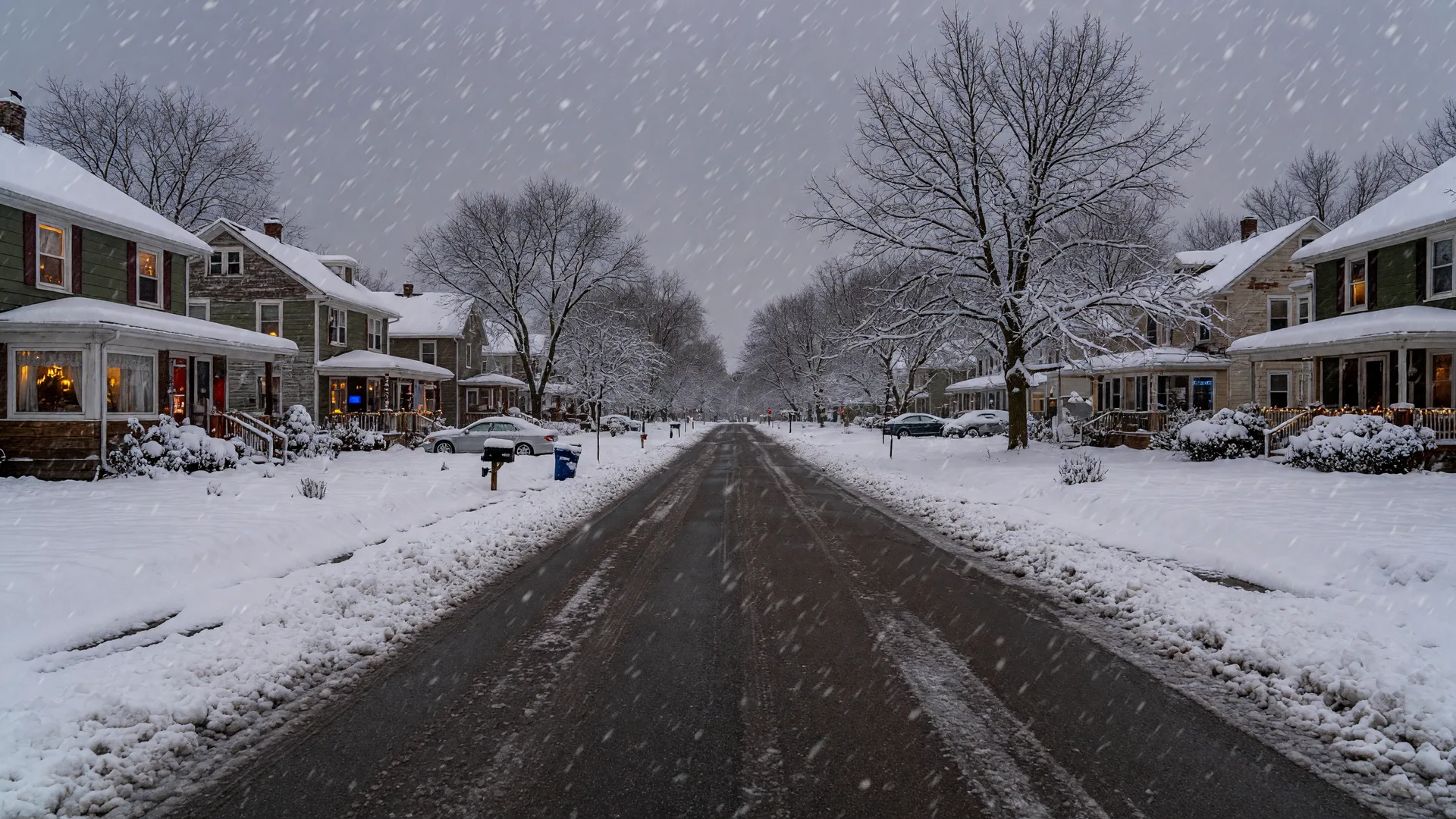
Ohio's primary snowbelt is the band of counties on the south and east shores of Lake Erie: Lake, Geauga, Ashtabula, and the eastern slice of Cuyahoga (News 5 Cleveland, 2026). Kirtland's Lake County location puts it right in that band.
The mechanism is lake effect. In late fall and winter, cold northwesterly winds cross Lake Erie, which stays relatively warm and unfrozen well into the season, pick up moisture and heat, and dump narrow, intense bands of snow as they reach the south shore. Communities like Kirtland sit where those bands land again and again, which is why the snowbelt routinely out-snows downtown Cleveland by a wide margin. It is not mysterious weather, it is geography, and it is the single biggest climate fact a Kirtland buyer should know (National Weather Service lake-effect explainer, via News 5 Cleveland).

Who Plows the Streets, and In What Order
Kirtland's snow and ice removal policy is published by the city, and it says the city "attempts safe passage on all city streets at all times" (City of Kirtland, Snow and Ice Removal Policy, kirtlandohio.com). Here is what that means in practice:
- Main roads and feeder streets first:: Crews keep the transportation network open first, with hills and school-area streets also a priority. Once those routes are passable, crews move to the remaining residential streets (City of Kirtland, Snow and Ice Removal Policy).
- The driveway apron is yours:: When the plow pushes snow across the mouth of a driveway, clearing it is the owner's responsibility, and the city advises residents not to shovel their aprons until after the plow has gone by.
- A snow parking ban is in effect during snow events:: vehicles need to be off the streets while crews work (City of Kirtland newsletter).
- Street pre-treatment is aggressive:: Service Department trucks lay down salt plus a brine pre-treatment made with Beet Heet, an organic product, before and during storms (City of Kirtland Mayor's Message, January 2022). Service Department phone: 440-256-1234.
On a residential street like Wilbert Drive, the honest expectation is that main and feeder routes get cleared first and your street follows once those are passable. That is a normal rhythm for a small city, and it is exactly why buyers on one-acre lots plan for a driveway clearing tool of their own.
The Winter Commute: Cleveland, Mentor, Willoughby
Here are the normal-traffic benchmarks for the Kirtland area, and they are estimates from mapping and distance sources, not measured drive times (distance-cities and Trippy estimates, 2026):
- Downtown Cleveland:: about 22 to 23 miles, roughly 25 to 30 minutes in normal traffic, via SR-306 (Chillicothe Road) south to I-90 west, or the parallel SR-2 / US-6 corridor.
- Mentor:: about 6 to 7 minutes, via SR-615 north.
- Willoughby:: about 6 minutes, via SR-306 north.
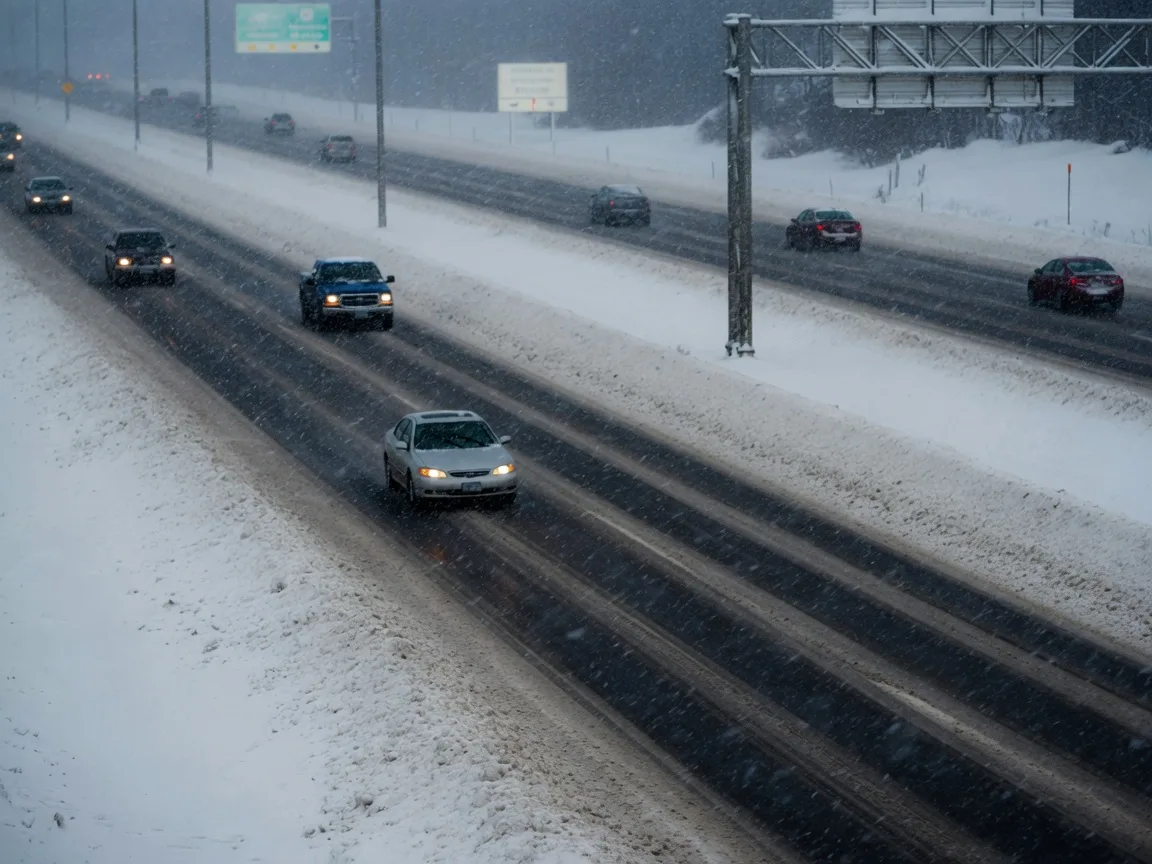
Interstates and state routes such as I-90, SR-2, and SR-306 are maintained by ODOT, while city streets are Kirtland's job. In active lake-effect snow, those times stretch, sometimes significantly, because one intense band can cover I-90 and SR-2 while a street a mile south stays clear. The winter habit here is to check road conditions before leaving and to treat the normal time as the best-case number, not the average winter number.
A Snowy Day at 10370 Wilbert Dr
Now for how all of this lands on the listing itself. 10370 Wilbert Dr comes with an attached two-car garage and a long concrete driveway, which means the main winter chore is the small apron at the street where the plow pushes snow, the part every resident owns the moment the city truck goes by. A snowblower or a good shovel handles it, and the garage keeps the cars out of the worst of it.
Once you are inside, the house is built for the season. The first-floor laundry with cabinetry, counter space, and a utility sink is where wet boots and coats stop, no tramping through the upstairs. The family room's vaulted ceiling, skylights, and fireplace make the cold evenings the coziest part of the day, and the full basement is ready-made storage for sleds, skis, and the gear a snowbelt winter collects.



For the fun side of the season, the region's winter outdoor options are covered in our winter MetroParks guide, from sledding hills and cross-country trails to the Farmpark's holiday light shows, most of it within about 10 to 15 minutes of the house.
Winter Is a Fact of Life Here, and It Is Manageable
No one should buy in the snowbelt on the theory that winters are mild. They are not, and the honest number is about 68 inches a year. But the people who love living here will tell you the snow is a feature, not a bug: it is the reason the town is so green the rest of the year, it makes the fireplace and the holidays work, and the city and its neighbors have decades of practice keeping it manageable. If you would like to see how 10370 Wilbert Dr handles the season, reach out anytime, and we will schedule a tour in whatever weather the lake sends. You can start with a look at the full listing.
Frequently Asked Questions
How much snow does Kirtland, Ohio get per year?
Kirtland averages about 67.7 inches of snow per year, per BestPlaces climate data drawn from NOAA normals, with January the snowiest month at roughly 18.6 inches. It is one of the snowiest communities in Ohio, though the total varies season to season (BestPlaces, accessed October 2026).
Is Kirtland really in Ohio's snowbelt?
Yes. Ohio's primary snowbelt covers Lake, Geauga, Ashtabula, and eastern Cuyahoga counties, and Kirtland's Lake County location sits right in it. Lake-effect bands off Lake Erie are why the area's snowfall runs well above the rest of the state (News 5 Cleveland).
Who plows the streets in Kirtland, and when will my street get cleared?
The city's Service Department handles plowing following the published Snow and Ice Removal Policy: main roads, feeder streets, hills, and school-area roads are cleared first, then the remaining residential streets. The policy states the city "attempts safe passage on all city streets at all times." Snow the plow pushes into driveways is the homeowner's responsibility to clear, and the city advises waiting until after the plow passes (City of Kirtland, kirtlandohio.com).
How long is the commute from Kirtland to Cleveland, and does snow change it?
About 22 to 23 miles and roughly 25 to 30 minutes in normal traffic via SR-306 south to I-90 west, per mapping and distance-source estimates. Active lake-effect snow can stretch that considerably, so winter commuters check conditions before leaving. Mentor is about 6 to 7 minutes away and Willoughby about 6 minutes in normal traffic.
Does 10370 Wilbert Dr work well for a snowbelt winter?
Yes, for practical reasons: an attached two-car garage and concrete driveway keep the cars out of the weather, the first-floor laundry and utility sink catch wet boots and coats at the main level, the family-room fireplace handles the cold evenings, and the full basement stores sleds, skis, and seasonal gear. The one recurring chore is the driveway apron where the city plow pushes snow, which is the owner's responsibility per city policy.

Sean Stewart
Real Estate Agent · Keller Williams Greater Cleveland Northeast
Over 30 years of experience helping clients buy, sell, and invest in Northeast Ohio real estate.
Get in TouchInterested in 10370 Wilbert Dr?
This beautifully maintained 4-bedroom home in Kirtland is waiting for its next owner. Reach out to schedule a showing.